
The 6 Best Podcast Databases for Getting Booked as a Guest
So you want to get on podcasts. You've got something worth talking about, a book, a product, a story, and you know the right guest spots could put it in front of exactly the people you're after.
The tricky part is finding the right shows and actually getting a yes.
Apple Podcasts and Spotify are lovely for listening, but they won't tell you a show's audience size, who to email, or whether it even takes guests. That's the job of a podcast database. Here are six worth knowing, what they cost, how many shows they cover, and who each one really suits.
| Tool | Podcasts | From | Best for |
|---|---|---|---|
| Rephonic | 3M+ | $99/mo | Finding and pitching shows in one place |
| Podchaser Pro | ~6M | ~$2,500/yr | A deep, done-for-you media list |
| PodMatch | ~24k members | $32/mo | Getting matched, not cold pitching |
| Muck Rack | 2M+ | Custom | Teams already doing press there |
| Press Hunt | ~10k | $249/mo | A cheap starter list |
| Cision | 60k+ | Custom | Tracking podcast mentions |
1. Rephonic: best overall Our Top Pick
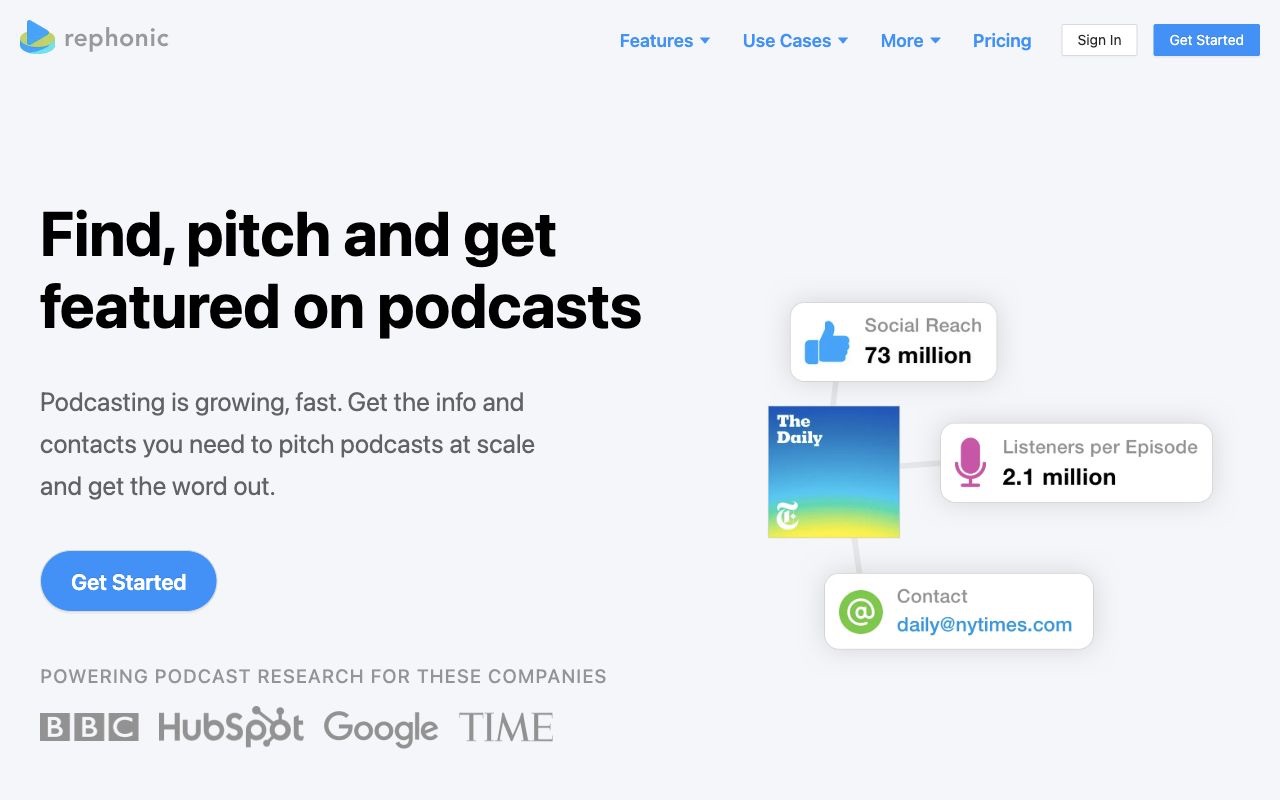
Rephonic is where we'd start. It's a database of three million-plus podcasts built for outreach, so you can search by topic, see roughly how big a show's audience is, check its past guests, and get the host's actual email. You can pitch and track replies from the same place too.
The clever bit is the audience graph. It shows you which shows share listeners, so after one good booking you can line up a few similar shows instead of guessing. The reach and listener figures are estimates rather than a show's private stats, so treat them as a way to compare shows, not a download count.
Plans start at $99/month, with a 7-day free trial. It isn't the cheapest, so if you only plan to pitch a handful of shows a year, it's probably more than you need.
“Rephonic gets a whole lot right that I didn't think was possible.”G2
2. Podchaser Pro: deep data, done for you
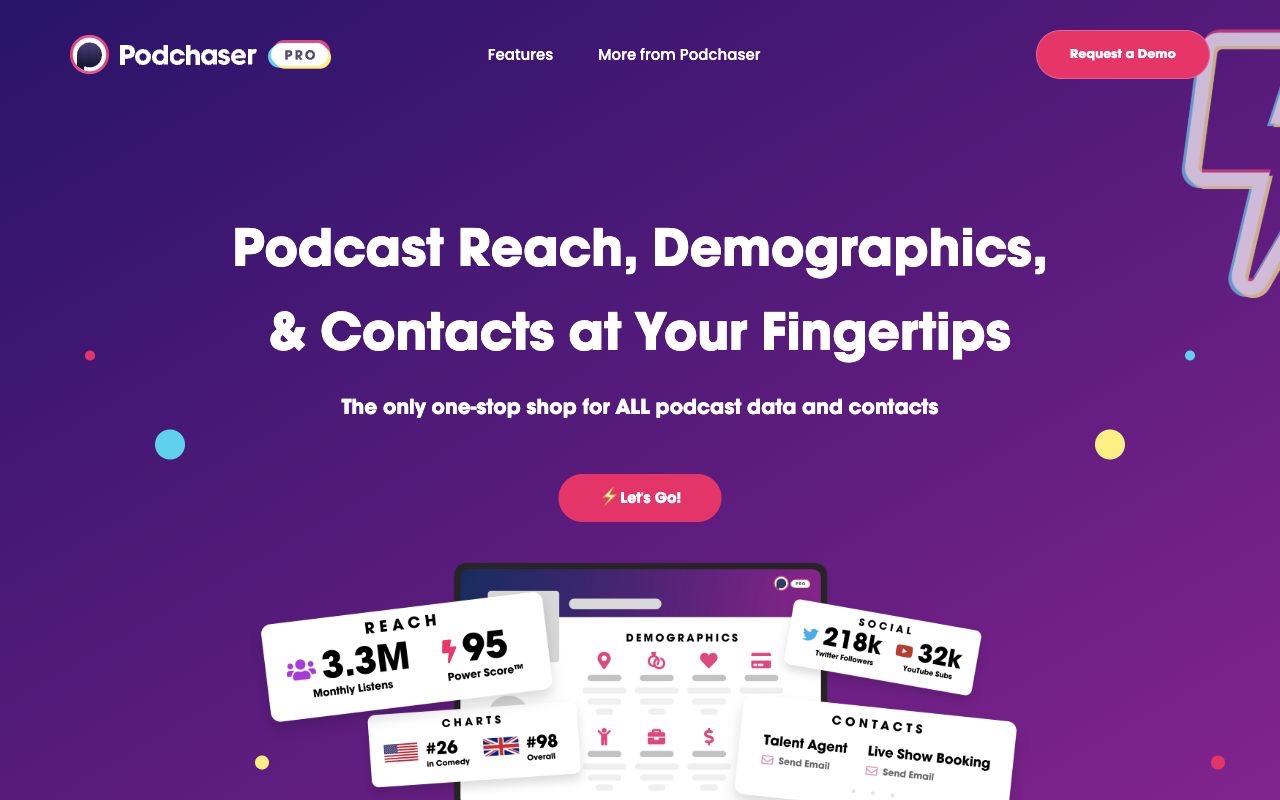
Podchaser started as a public, IMDb-style directory of podcasts, and Podchaser Pro is the paid layer on top. It covers close to six million shows, with verified contacts for hosts, producers and booking agents, audience demographics, and a 0 to 100 Power Score for gauging a show's reach. If you'd rather not build the list yourself, their team will research a target list for you.
Two things to know. There's no pitching built in, so once you have your list you'll export it and email from your own inbox. And the price is quote-only, usually somewhere between $2,500 and $5,000 a year, which is a lot if you aren't pitching constantly. It's well reviewed (4.7/5 on G2), though a common note is that the contact data needs a quick double-check before you hit send.
“Probably the best place for finding podcasts, but I've had a lot of problems using the site.”Product Hunt
3. PodMatch: skip the cold pitch
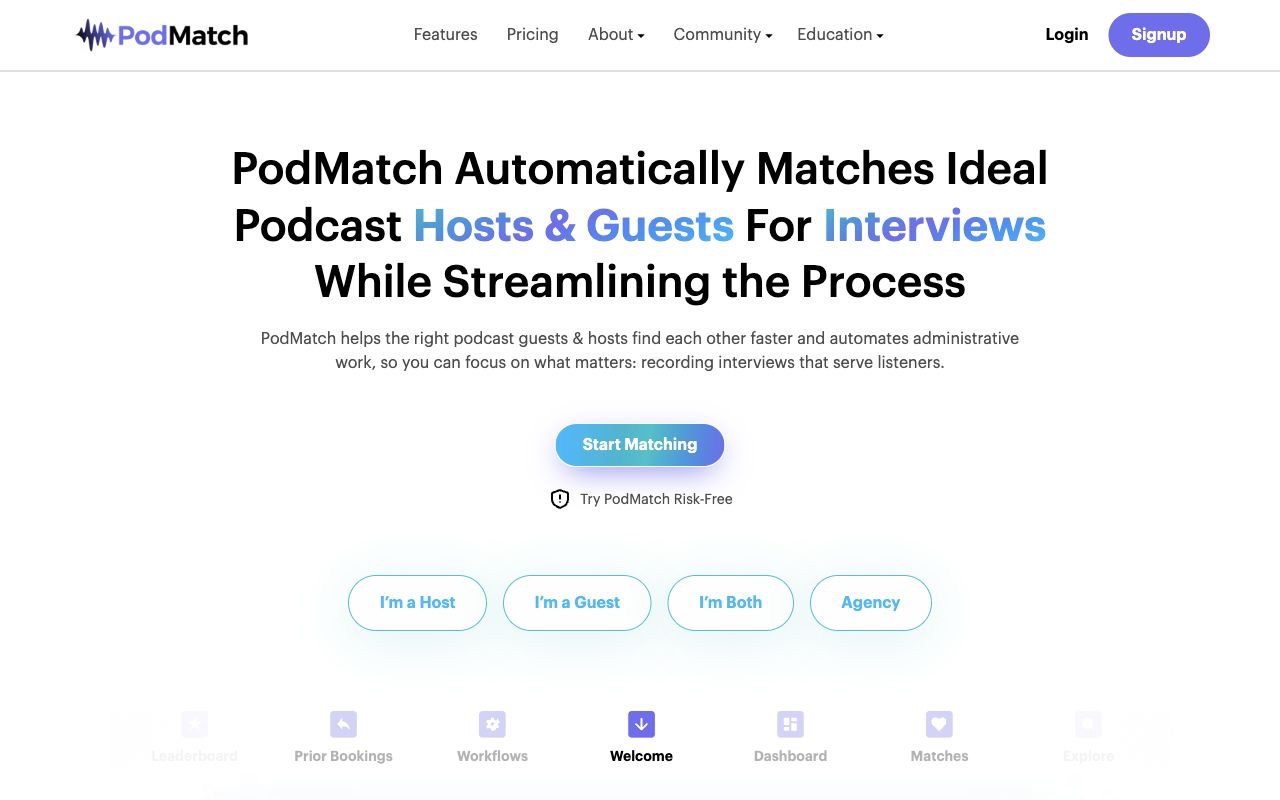
If cold pitching makes you wince, PodMatch is the gentler way in. It matches you with hosts who are actively looking for guests, with messaging and scheduling built in, so everyone you speak to already wants someone like you on. It has around 24,000 members who've booked more than 22,000 interviews. Guest plans are $32/month for Standard or $64/month for Professional, with no free tier but a money-back guarantee.
The trade-off is who's on it. You're limited to shows that have joined PodMatch, so the biggest names in your niche probably aren't here, and several users find the matches hit-or-miss if their topic is specialised.
“It's a good platform if you're looking for super generic guests, but if your show has even somewhat of a niche, no.”r/podcasting
4. Muck Rack: if your team already uses it
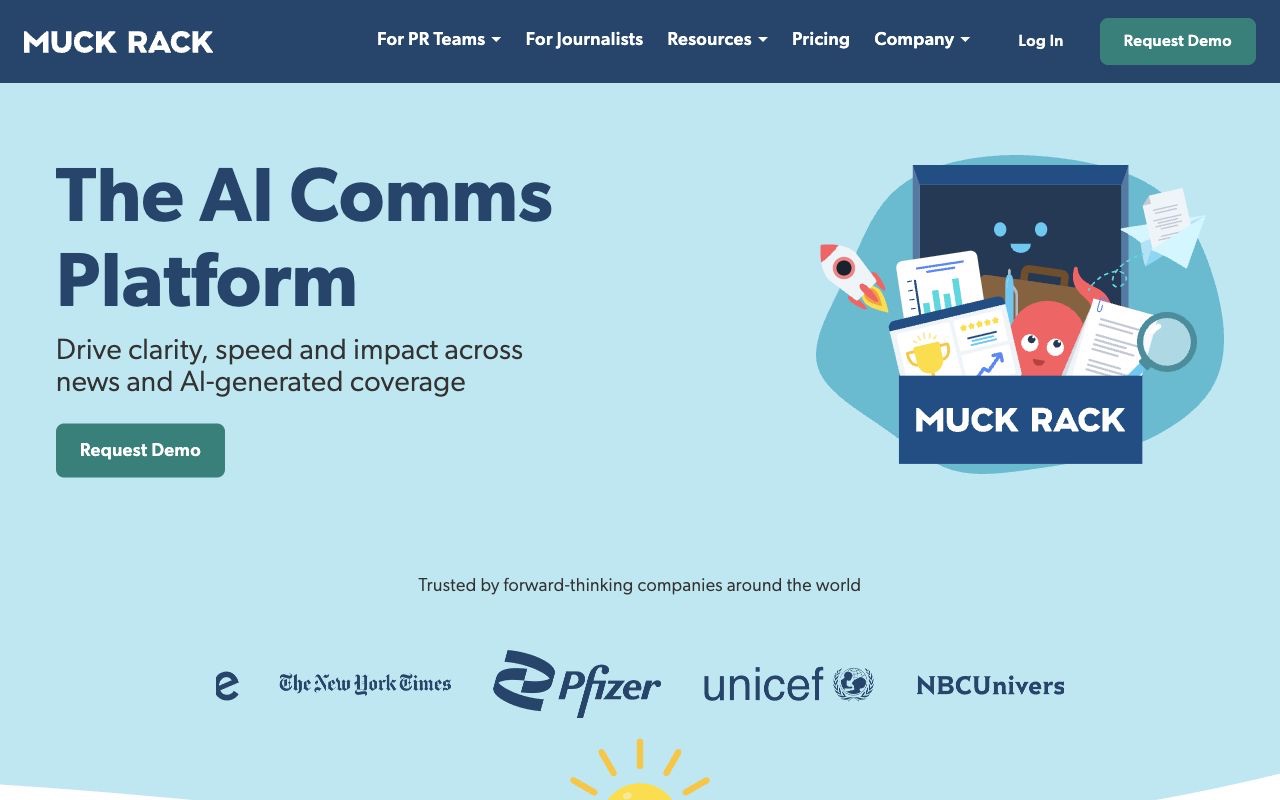
Muck Rack is a press-first platform: it started as a journalist database and now folds in podcast monitoring, covering more than two million shows, with full transcripts for around 70,000 of them. You can find hosts, send pitches, see opens and replies, and track mentions from the same place. The appeal is that if your team already lives in Muck Rack for press, podcasts slot into the same workflow.
For guest booking on its own, though, it's a lot of tool. Pricing is custom and annual, with a reported median around $13,000 a year, and the most common complaints are about cost and the odd stale contact.
“It's expensive for we small biz owners. [I'd] love it if we could pay monthly and only for the features we specifically use.”Capterra
5. Press Hunt: a cheap starter list
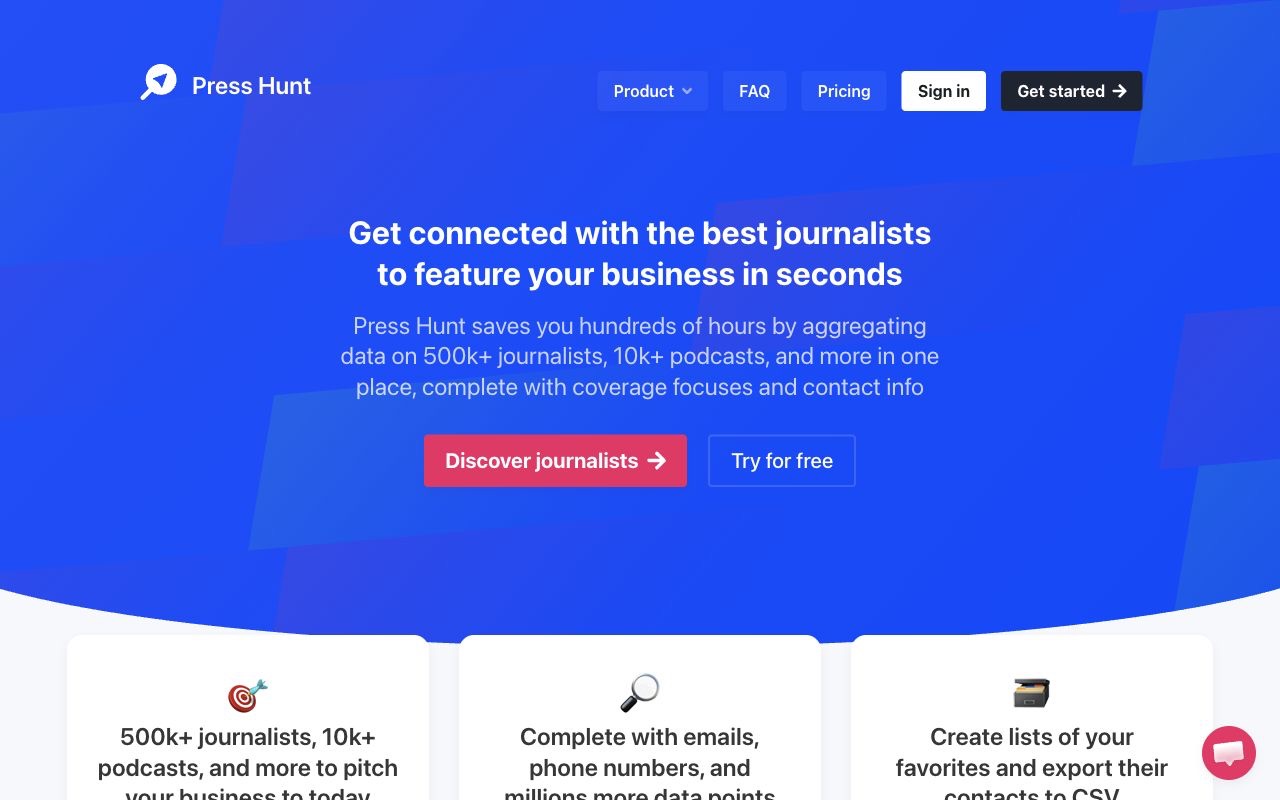
Press Hunt is another press-first tool that throws podcasts in alongside its journalist database of 500,000-plus reporters. It's cheaper to start at $249/month, and you can describe who you want to reach and have it draft a media list for you.
Be careful with the podcast depth, though. Its marketing page advertises 200,000 podcasts, but the actual entry plan lists 10,000, a big gap, so treat it as a quick starter list rather than the place you vet your best targets. Independent reviews are thin and lean negative, with some flagging data quality and billing.
“The data quality is bad, we could not see any benefit from the data.”Product Hunt
6. Cision: for monitoring, not booking
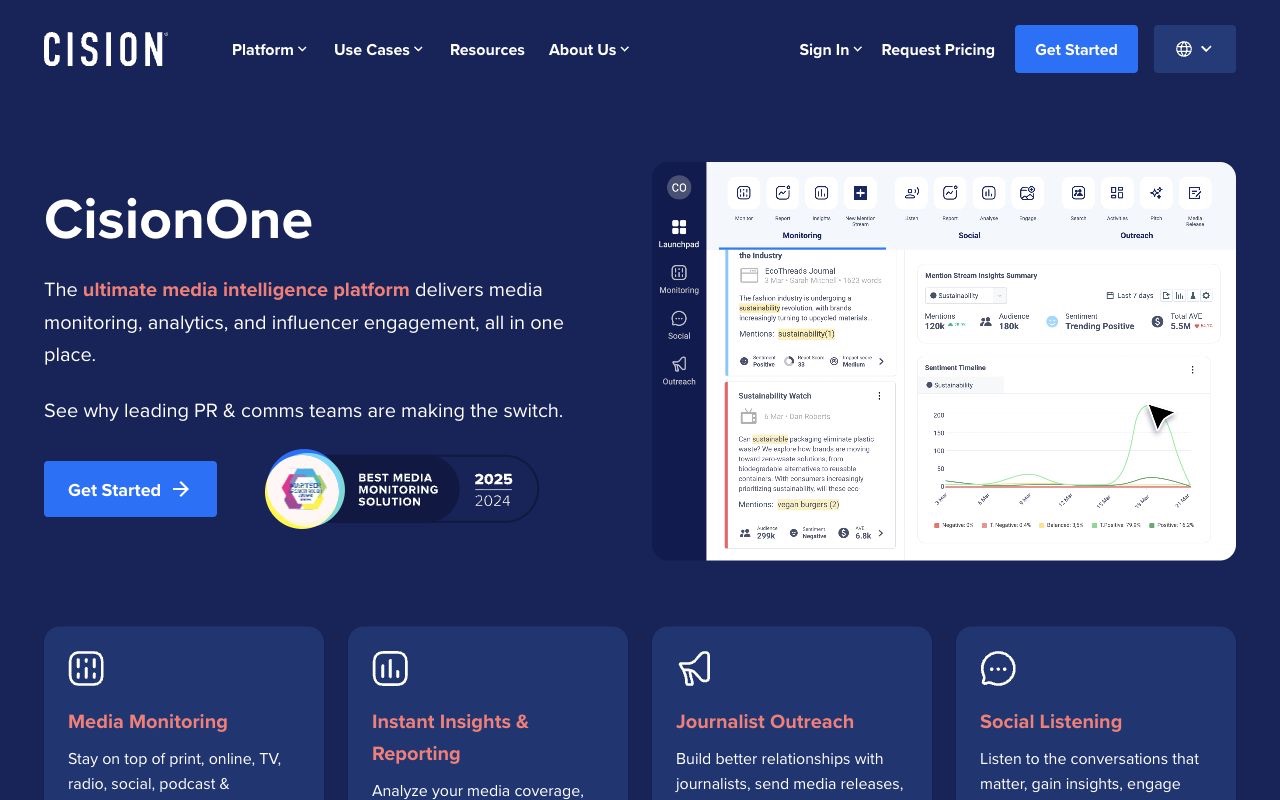
Cision is the enterprise giant, and it's really a monitoring suite. It tracks mentions of you and your rivals across more than 60,000 podcasts, plus news, print and social, with a huge contact database and press-release distribution on top. It makes more sense for big PR teams than for someone trying to book a few guest spots.
For booking, it's the least natural fit here. Expect a custom annual contract, with prices commonly reported around $12,000 a year, and Cision is well known for being hard to leave once you're in.
“The company is holding customers hostage with a completely onerous contract.”Capterra
Chasing press, not podcasts?
Everything above is built for podcasts. If your PR is really about getting into newspapers, magazines and online press, you want a journalist database instead. JournoFinder is built for exactly that, with verified contacts for over a million reporters.
A few common questions
Do I really need a paid podcast database?
Not always. You can dig through Apple Podcasts, Spotify and a free tool like Listen Notes, then track down each host's email yourself. A database just saves you those hours, and tells you how big a show is and who to contact. For two or three pitches, doing it by hand is fine. If you're pitching regularly, the time saved is usually worth the subscription.
What is the cheapest way to get started?
PodMatch is the lowest-cost paid option at $32 a month, if you're happy to be matched with hosts. If you'd rather find and pitch shows yourself, Rephonic is month-to-month, so you can run a campaign and pause when you're done. Everything else here is built for bigger budgets.
Can I get booked without paying for anything?
Yes, if you trade time for money. Use Apple and Spotify to find shows, check each show's website for a contact or guest form, and keep a simple spreadsheet. It's slower, but plenty of guests book their first spots exactly this way.
How many shows should I pitch at once?
Fewer than you'd think. A short list of genuinely relevant shows, with a pitch tailored to each one, beats a hundred copy-pasted emails. Land one good booking, then use it to reach similar shows.
Our Conclusion
Want one tool to find shows and pitch them without juggling tabs? Start with Rephonic. Rather be matched than pitch cold? PodMatch. Already living in Muck Rack or Cision for press? Use what you've got. On a tight budget and doing your own outreach? Press Hunt or PodMatch.
Whichever you pick, keep your list short and your pitch tailored to each show. That matters more than the tool you use to build it. And once your episodes are live, make it easy for listeners to leave a review. Here's how to get more podcast reviews.
